Rural transit funding at risk as Congress debates new transportation bill
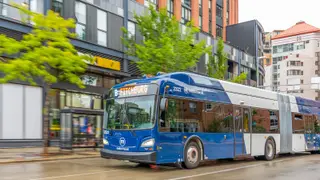
The proposed BUILD America 250 Act would authorize $16.5 billion less for public transit than the previous infrastructure law, with every state losing at least $10 million in formula funding over five years. Rural communities that already rely on minimal transit services, such as a nonprofit in southern Idaho serving disabled riders, could face further reductions. Advocates warn the cuts would disproportionately affect smaller communities and tribal areas that depend on these lifeline services.
The BUILD Act's transit allocation of $103.3 billion over five years falls short of the prior law's $119.9 billion baseline, a gap that inflation would widen to roughly $24 billion. Rural systems depend heavily on this federal formula funding since local tax bases rarely generate sufficient transit revenue.
Idaho's projected 18 percent reduction would be the steepest nationally, with Maine close behind at 16 percent. The Living Independent Network Corp in southern Idaho illustrates the stakes: its $100,000 annual federal appropriation funds ride cards for disabled residents in a region where transit service is already described as minimal and fragmented.
The funding reduction could disproportionately harm vulnerable populations in rural and tribal communities who depend on transit for basic mobility. Disabled riders, elderly residents, and those without vehicles may face increased social isolation if service cuts force them to limit trips to essential medical appointments. Smaller transit agencies, lacking the financial flexibility of major urban systems, may struggle to absorb the losses, potentially creating a widening mobility gap between metropolitan and rural America.