State Board Approves Stricter Dairy Waste Rules to Protect Central Valley Groundwater
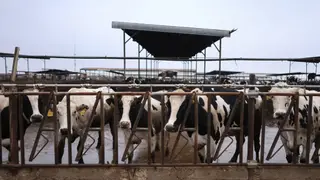
California's water regulators have unanimously approved new limits on dairy manure pollution in the Central Valley, aiming to reduce nitrate contamination that threatens drinking water supplies. The decision follows years of advocacy from environmental groups and residents who say low-income communities of color are disproportionately affected. Dairy industry representatives raised concerns about the financial burden of the new requirements.
California's dairy sector is massive, with over 1.7 million cows producing $8 billion in milk in 2024. State data shows more than 700 dairies sit within a mile of areas already at high risk for nitrate groundwater contamination. A 2017 UC Davis study identified agricultural lands, including dairy operations, as the largest source of nitrate in the Central Valley's groundwater.
The 131-page order sets a 10 mg/L nitrate standard and imposes new rules on waste storage and manure application, requiring dairies to supply alternative drinking water when local supplies are unsafe. Yet the comment process was limited—the draft was released Sept. 4, with feedback only accepted in-person or via video during Tuesday's meeting, and no written comments. This raised concerns about participation for Spanish-first speakers and tribal communities.
This regulation could significantly improve drinking water safety for low-income rural communities of color in the Central Valley, who rely on shallow groundwater and face the highest nitrate exposure. However, the financial burden on dairy operators may lead to increased costs, potential consolidation, or higher milk prices. The restricted public comment process could also erode community trust, though the precedent set here may influence how other agricultural states address manure pollution.