Health threats from a warming planet spur search for safeguards
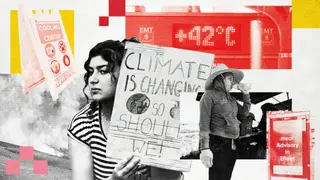
Rising global temperatures are expected to bring a range of health hazards, from heat-related illness to the spread of infectious diseases. Researchers are examining strategies such as improved urban planning, early warning systems, and stronger healthcare infrastructure to reduce these risks. The article emphasizes that proactive adaptation will be essential to protect vulnerable populations.
Rising global temperatures are projected to intensify existing health pressures while introducing new ones. Heat-related illnesses such as heatstroke and cardiovascular strain become more frequent during prolonged heatwaves, while changing climate patterns can expand the habitats of disease-carrying insects, potentially shifting the geographic range of vector-borne illnesses.
Adaptation measures are being explored across multiple fronts. Urban planning strategies include increasing green spaces and reflective surfaces to mitigate the urban heat island effect. Early warning systems for extreme weather events allow communities to prepare in advance, while strengthening healthcare infrastructure ensures medical facilities can handle surges in climate-related cases. These approaches focus on protecting the most vulnerable populations, including the elderly and those with pre-existing conditions.
This story could affect public health planning at local and national levels, as communities may need to reassess infrastructure and emergency response capabilities. Healthcare providers could see changing patient demographics and disease patterns, requiring updated training and resource allocation. Vulnerable groups, including older adults and low-income communities, may face disproportionate impacts, potentially widening existing health disparities. The emphasis on proactive adaptation suggests that policymakers and health officials could increasingly prioritize climate resilience in their long-term planning, though implementation timelines and funding remain open questions.