Vaccination gaps behind Bangladesh's worst measles outbreak in decades
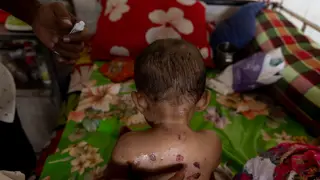
Bangladesh is experiencing its deadliest measles outbreak since 2005, with over 175,000 suspected cases and more than 1,000 deaths reported between March and September. Most infections are among unvaccinated children under two, and experts believe the true numbers are higher. The surge follows a drop in vaccination coverage and serves as a warning for countries like the U.S.
The outbreak's scale is stark when compared to recent history—annual cases were in the low hundreds from 2021 to 2025. The current surge, concentrated in unvaccinated toddlers, has overwhelmed hospitals, and official figures likely miss many rural cases due to resource shortages.
Bangladesh's past success relied on a robust national immunization program and trusted community health workers. Measles requires a 95% vaccination threshold for herd immunity, so even modest coverage gaps allow the highly contagious virus to spread. The same vulnerability is now visible in the U.S., which has recorded thousands of cases and several deaths this year.
This outbreak could strain Bangladesh's healthcare system further and increase child mortality, particularly in underserved rural areas. It may also undermine public confidence in vaccination programs if not addressed transparently. For other nations, including the U.S., the pattern serves as a cautionary tale: slipping coverage rates could lead to similar resurgences, affecting vulnerable populations and overwhelming pediatric care. The societal impact hinges on how quickly governments respond to close immunity gaps.