3D-printed auto-fire converter seller arrested after undercover ATF sting
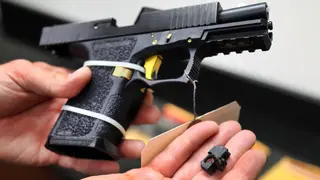
A 19-year-old Florida man was arrested for selling 3D-printed devices that convert semi-automatic pistols into fully automatic weapons. The ATF conducted an undercover operation, purchasing multiple 'Glock switches' from the suspect, who allegedly printed 50 overnight and offered them at a discount. Possession of such devices is a federal offense carrying up to 10 years in prison.
The arrest stemmed from an Instagram lead, with ATF agents tracing the seller through the handle "904hottshop." Justavino met undercover officers at a restaurant before directing them to an associate named Ray for the first transaction of four devices at $200. A second meeting the next day involved a larger order, where the suspect claimed to have produced 50 units overnight and offered the entire batch at a reduced price of $300. He also attempted to sell a Glock 19 pistol for $1,000 but declined a barter offer.
The case reflects broader law enforcement concerns about 3D-printed firearm components. Several states, including California, Colorado, New York, and Washington, have moved to restrict such production, though a federal judge recently struck down an ATF rule on ghost gun parts, citing constitutional concerns and the tradition of DIY gunsmithing.
This case highlights how accessible 3D printing has made weapons modification, potentially lowering the barrier for individuals seeking illegal automatic-fire capability. If such devices become more widespread, law enforcement may face greater challenges tracking firearms that lack serial numbers or traditional manufacturing markers. The legal landscape remains unsettled, as courts have questioned ATF authority over 3D-printed parts, which could create confusion for both hobbyists and regulators. Communities may see heightened debate over balancing public safety concerns with technological innovation and personal liberties.