WIRED Invites Questions on Gender Inequality in Tech
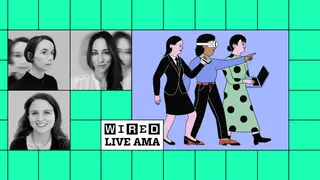
WIRED is hosting a subscriber-only livestream on September 24 to examine the state of women in Silicon Valley, addressing the backlash against DEI initiatives and the rise of 'masculine energy' in tech. The panel will answer audience questions about workplace culture, leadership, and the impact of recent political shifts. The event features WIRED editors and correspondents.
The September 24 livestream, scheduled for noon ET, will feature three WIRED staff members: features editor Sandra Upson as host, senior correspondent Lauren Goode, and culture writer Ej Dickson. Goode's coverage areas include artificial intelligence, semiconductors, venture capital, and workplace culture, while Dickson recently reported on online communities that target young women. Subscribers can submit questions in the comment section ahead of the event, with a replay available afterward for those unable to attend live.
The discussion arrives amid documented shifts in the tech industry's political landscape, including prominent executives aligning with conservative figures and public statements about workplace energy. The article notes that federal workforce reductions disproportionately affected female employees, and that many women in the industry express reluctance to discuss gender-related issues openly. WIRED frames the event as an investigation into these dynamics and their effect on women's professional standing in technology. The panel format allows direct audience engagement with these topics.
This livestream may influence how tech workers and executives perceive the current climate around gender equity, potentially shaping internal company discussions or policy decisions. Women currently in or entering the industry could gain clearer perspective on navigating workplace challenges, while leadership may face renewed pressure to address retention and advancement gaps. The event's subscriber-only format may limit its reach, though the replay and subsequent coverage could extend its impact to broader audiences concerned about workforce diversity trends.