Wolf Delisting Order Draws Skepticism as Ranchers Cite Broader Economic Pressures
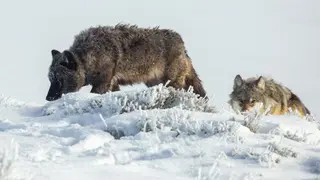
President Trump has ordered the removal of federal protections for gray and Mexican wolves, claiming it will help ranchers financially. However, data shows wolves cause only a tiny fraction of cattle deaths, while factors like climate-driven droughts, high fuel prices, and the administration's pause on beef import tariffs exert far greater economic strain. Experts argue the focus on wolf legal status is misdirected, as wolves will persist regardless of listing status.
State data reviewed by Inside Climate News shows confirmed wolf predation on cattle ranged from just nine animals in Washington to 155–197 in California during 2025, with actual figures likely higher due to undiscovered or decomposed carcasses. Gray wolves currently hold federal protection across the lower 48 except Idaho, Montana, and Wyoming, while Colorado began state-managed reintroduction in 2023 and Mexican wolves remain protected in Arizona and New Mexico.
Wildlife management experts note that federal agencies could expand technical and financial assistance programs for ranchers facing wolf conflicts almost immediately, making the administration's singular focus on delisting a missed opportunity. Wolves are resilient animals expected to persist regardless of their legal status, suggesting the policy shift may yield limited practical benefits for the livestock industry.
This story could reshape how rural communities perceive federal environmental policy, potentially deepening distrust if ranchers see wolf delisting as symbolic rather than substantive relief. The framing may influence public opinion on wildlife management, with livestock producers potentially feeling overlooked while conservation advocates gain ammunition against administration claims. Broader economic pressures—tariffs, fuel costs, drought—may ultimately matter more to rural livelihoods than predator policy, though the political signal of delisting could still carry weight in upcoming elections and state-federal relations.