FDA clears Neptune Medical's colonoscopy robot for U.S. use
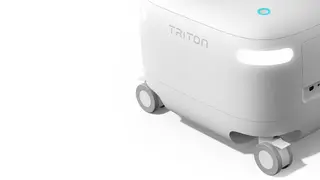
Neptune Medical received U.S. regulatory clearance for its Triton 1 System, a robotic endoscopy platform designed for colon screening and therapeutic procedures. The company says the device offers improved stability and control compared to conventional endoscopes, potentially aiding in the detection and removal of precancerous lesions. Triton is intended to support both routine colonoscopies and more complex interventions such as endoscopic mucosal resections.
The Triton 1 System received clearance from the U.S. Food and Drug Administration, marking a significant regulatory milestone for Neptune Medical, which is headquartered in Burlingame, California. The company secured $97 million in Series D funding in 2024 and separately established Jupiter Endovascular Inc. as a subsidiary focused on its own technology platform.
Clinical data from the CARE 1 first-in-human study showed the system achieved complete cecal intubation in all cases with no adverse events reported. The device demonstrated a 54.2% adenoma detection rate, notably exceeding the 35% industry benchmark, while also reducing operator workload by 67% according to NASA-TLX assessments, with no patient repositioning or conversions to manual procedures.
This clearance could reshape colorectal cancer screening, a procedure that currently relies on manually controlled endoscopes with inherent stability limitations. If the system's improved detection rates hold in broader use, it may help reduce missed precancerous lesions and potentially lower colorectal cancer mortality, particularly among younger adults increasingly affected by the disease. The reduced physical burden on gastroenterologists could also encourage more widespread adoption of robotic assistance in routine gastrointestinal practice.