Legacy memory chips face severe shortage as AI boom redirects production capacity
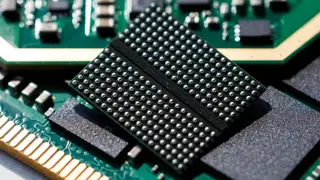
The AI-driven surge in demand for high-end memory is now squeezing older NOR flash and SLC NAND chips, with contract prices more than doubling in the first half of 2026. Analysts expect further price hikes of up to 170% for SLC NAND in the second half, potentially affecting everyday electronics that rely on these components.
The shortage stems from a fundamental market shift: hyperscalers and cloud providers are outspending one another to secure manufacturing capacity for AI infrastructure, pushing chipmakers to prioritize high-margin products like HBM and DRAM over legacy components. Analyst Jim Handy notes the SLC NAND market generates under a billion dollars annually, a scale too small to justify new production investment despite soaring demand.
NOR flash remains critical for boot code in automotive, industrial, and networking equipment, while SLC NAND's reliability makes it essential for long-lifespan embedded hardware. TrendForce data shows contract prices for both chip types more than doubled in the first half of 2026, with SLC NAND projected to climb another 120-170% in the second half, as Morgan Stanley forecasts undersupply persisting through year-end.
Everyday electronics that have long been taken for granted—routers, industrial controllers, automotive systems—could face rising costs or delayed availability as manufacturers compete for scarce legacy memory chips. Consumers may see price increases passed down in products they purchase, while smaller device makers without long-term supply contracts could be squeezed hardest. The situation may also accelerate design changes toward alternative memory technologies, potentially reshaping how affordable, reliable electronics are built in the coming years.