All States to Enroll in Medicaid Drug Pricing Initiative, Trump Says
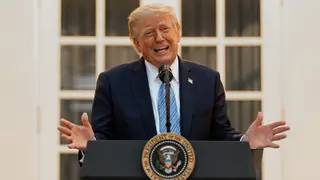
President Trump announced that every state will participate in a Medicaid program applying most-favored-nation pricing to certain drugs, aiming to match lower prices paid in other countries. The administration projects billions in savings, but experts caution that the actual financial impact is uncertain because the details of agreements with pharmaceutical companies have not been made public. The announcement comes amid voter concerns over cost-of-living ahead of the midterm elections.
The Medicaid "GENEROUS" model applies most-favored-nation pricing, meaning the U.S. would pay the same amount for certain medications as the lowest-priced nation globally. The White House projected $529 billion in savings over a decade, but independent verification remains impossible because the pharmaceutical agreements have not been disclosed.
Medicaid beneficiaries currently pay only nominal co-payments for prescriptions, so the primary financial benefit would flow to state budgets that jointly fund the program. States could redirect those savings toward other healthcare investments, though experts question whether price reductions would persist beyond the current administration's tenure.
This initiative could reshape how prescription drug costs are distributed across the healthcare system. State governments may gain budget flexibility if savings materialize, potentially allowing reinvestment in other health programs. However, the lack of transparency around pharmaceutical agreements creates uncertainty about whether projected savings will actually occur, and whether beneficiaries will see meaningful changes given their existing low co-payments. The policy's longevity may depend on political continuity, leaving states and patients with unclear long-term expectations.