Senate subcommittee to probe license plate reader surveillance practices
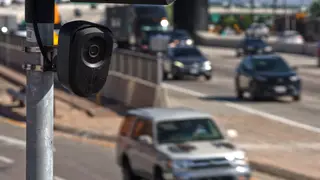
The Senate Judiciary subcommittee on Crime and Counterterrorism will convene a hearing on Wednesday to examine automated license plate readers and related surveillance technology. Chairman Josh Hawley invited executives from Flock Safety, Axon, Motorola Solutions, and Verkada to testify, though Verkada's CEO declined. The session follows Hawley's August investigation into Flock's data practices and comes amid growing privacy backlash, with a recent poll showing 41% of Americans holding an unfavorable view of the cameras.
The hearing stems from Hawley's August inquiry into Flock's data collection, which he described as pooling local camera footage into a searchable national repository. Verkada's chief executive has declined to appear, though the company says it is cooperating with the subcommittee. Responses from the other three invited firms were not yet available at the time of the announcement.
FBI Director Kash Patel recently told the Judiciary Committee that license plate readers are deployed by local jurisdictions, with the FBI accessing data only for specific cases rather than through continuous access. At least four bipartisan or Republican-sponsored bills addressing the technology have been introduced in the House, and Senators Schiff and Wyden have separately pressed Flock on its safeguards against system misuse.
This hearing could influence how automated surveillance tools are regulated nationwide. If lawmakers push for stricter data retention limits or access controls, local police departments and private camera vendors may need to revise their practices, potentially affecting how quickly crimes are solved. Privacy-conscious citizens could gain stronger protections, while law enforcement agencies may argue that added restrictions hinder investigations. The outcome may also shape public trust in both government and commercial surveillance, particularly in communities where camera networks are already widespread.