Florida's Storm-Ravaged Towns See Wealthy Buyers Displace Longtime Residents
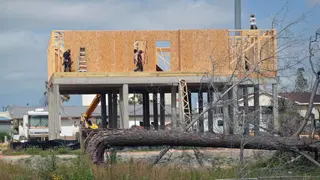
After Hurricane Michael leveled Mexico Beach in 2018, many longtime homeowners could not afford to rebuild due to insurance disputes and age, while investors erected multimillion-dollar vacation rentals. This pattern of post-disaster gentrification is now spreading along Florida's coasts as storms become more frequent and intense, transforming once middle-class neighborhoods into high-end investment properties.
The Sebastiao family's experience in Mexico Beach illustrates a broader pattern reshaping Florida's storm-hit coastlines. After Hurricane Michael's 155 mph winds destroyed nearly everything in 2018, rebuilding under stricter codes proved financially and emotionally draining. Many original residents, often in their early 60s, lacked adequate insurance or faced prolonged disputes with carriers, leading them to abandon plans to return. Their modest lots were quickly purchased by investors who erected large vacation rentals, transforming the neighborhood's character from tight-knit middle-class to transient high-end.
Census surveys from the early 2020s confirm who disproportionately fails to return after disasters: Black and Latino households, renters, the poorest residents, those without high school diplomas, people with disabilities, and LGBTQ individuals. Researchers attribute this to insufficient insurance coverage, limited access to recovery assistance, and post-storm housing costs that become unaffordable. Similar gentrification dynamics have been observed in communities affected by recent wildfires, according to a working paper from multiple universities.
This pattern could accelerate the demographic homogenization of Florida's coastal communities, potentially eroding the social diversity that once defined them. Longtime residents, particularly older and lower-income individuals, may face displacement not just from storms but from the economic aftermath. As wealthier newcomers and investors dominate rebuilding, local housing markets may become increasingly inaccessible to working families, altering community character and political dynamics. The trend may also discourage recovery efforts among those who feel priced out, deepening inequality along vulnerable coastlines.