DIY repair resurrects 25-year-old Intel CPU, then overclocks it by 33%
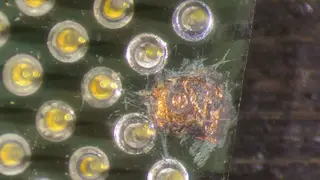
A hobbyist successfully replaced a missing data pin on an Intel Celeron 1200 by digging into the chip's substrate and soldering a donor pin. The repaired processor booted and was then overclocked from 1.2 GHz to 1.6 GHz, a 33% increase. The intricate repair involved masking copper layers to avoid short circuits.
The Celeron 1200, a Tualatin-core chip closely related to the Pentium III, had lost its D47 data pin along with the underlying pad, a damage pattern that typically proves fatal. The repairer exposed several copper layers beneath the green substrate surface, then applied solder mask to isolate the central connection point from surrounding planes before tinning and attaching a donor pin harvested from a confirmed-broken Tualatin processor. Multimeter readings confirmed no shorts before the system booted successfully.
Following the successful revival, the processor underwent benchmark testing including SiSoft Sandra. The repaired chip then achieved a stable overclock from 1.2 GHz to 1.6 GHz, a 33% gain, demonstrating that the delicate substrate repair preserved full electrical integrity. The repairer noted this was the first time they had tackled a pin failure of such severity.
This repair highlights how aging hardware can outlive its expected lifespan through skilled intervention, potentially reducing electronic waste and extending the utility of legacy systems. Enthusiasts and repair advocates may find inspiration in such techniques, though the specialized skill required limits broad application. The overclocking success could encourage further experimentation with salvaged components, but most consumers will continue relying on manufacturers or professional repair services for similar issues.