AI deciphers century-old German wartime transmission after 108 years
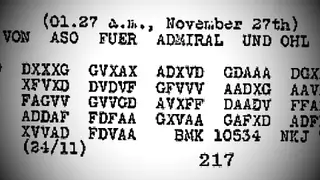
A developer using OpenAI's GPT-Astra model has successfully decoded a German military radio message from 1918 that had remained unbroken for over a century. The message, encrypted with the ADFGVX method, warned German forces about Allied ship movements near Crimea and was verified against historical logs. This marks the first known decryption of this particular World War I communication.
The intercepted message, drawn from a list of 50 unsolved ciphers maintained by Scienceblogs.de, was addressed to German High Command and likely intended for naval leadership. It relied on the ADFGVX cipher, a method that scrambled letters through a grid rearranged by a keyword. Developer Prinz applied OpenAI's GPT-Astra, using "TRUPPENVERSCHIEBUNG" as the key to unlock the text.
The decoded alert described an English cruiser arriving at Sevastopol and an Allied squadron following days later. GPT-Astra verified its work against historical logs, matching the cruiser's arrival to HMS Canterbury on November 24, 1918, and the squadron's to November 26. Earlier attempts reportedly failed because analysts assumed the keyword was only used starting December 9, a date this transmission predates.
This breakthrough could reshape how historians approach archival cryptography, suggesting AI models may unlock other long-stalled ciphers and reveal overlooked wartime details. For researchers and hobbyists, it may lower the barrier to decoding complex historical texts, though reliance on AI raises questions about verification standards. The broader public could gain richer, more granular accounts of past conflicts, but the method's accuracy will depend on rigorous cross-checking against primary sources, as demonstrated here.