Why Americans Keep Buying Into Bogus Health Remedies
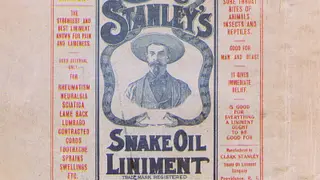
A new analysis explores the enduring appeal of dubious health products and schemes in the U.S., from snake oil to modern supplements and IV vitamin drips. Experts attribute this pattern to a deep human desire for longevity and vitality, amplified by American optimism and a lightly regulated market. The piece warns that despite past examples, people remain just as susceptible to implausible claims today.
The article traces a recurring American pattern: from Clark Stanley’s snake oil to modern IV vitamin drips, dubious remedies thrive when hope outpaces evidence. Experts note that belief often serves emotional reward over factual accuracy, and that lightly regulated markets amplify this tendency. Historical examples, like Benjamin Rush’s extreme bloodletting during the 1793 yellow fever epidemic, show how even credentialed figures can embrace unproven methods under pressure. The piece underscores that desperation for longevity and vitality remains a powerful driver, making consumers vulnerable to exploitation despite past lessons.
This story could reinforce public skepticism toward unproven health products, potentially prompting more scrutiny of supplement claims and wellness trends. Consumers may become more cautious with spending, while regulators could face pressure to tighten oversight. However, the analysis also suggests that emotional hope often outweighs rational caution, meaning behavioral change may be limited. The impact likely varies: vulnerable groups seeking quick fixes may remain at risk, while informed audiences might demand stronger evidence before adopting new remedies.