Insect growth regulator exploits termite molting to eliminate colonies with high efficacy
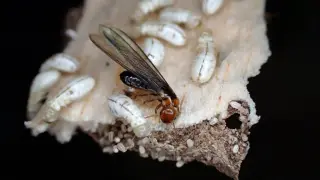
A chemical called bistrifluron, which blocks formation of a new exoskeleton, killed about 95% of drywood termite colonies in laboratory tests. Because termites must molt to grow, the treatment turns a normal life stage into a fatal weakness, offering a safer alternative to fumigation.
Bistrifluron belongs to a class of compounds called chitin synthesis inhibitors, which disrupt production of a structural material found in insect exoskeletons, fungal cell walls, and even squid beaks. Because drywood termites must shed and replace their outer armor roughly seven times during their lives, the chemical exploits an unavoidable biological process rather than acting as an immediate poison.
The treatment's effects emerge gradually. Researchers observed reduced activity and feeding before termites ultimately failed to complete molting. In comparative trials, bistrifluron outperformed two similar compounds, chlorfluazuron and noviflumuron, at the tested concentrations. The study appeared in the Journal of Economic Entomology in 2025.
This approach could reshape how pest control professionals handle drywood termite infestations, potentially reducing reliance on whole-structure fumigation with its associated costs and logistical burdens. Homeowners and businesses facing infestations may benefit from a treatment that targets insects specifically while posing minimal risk to people. However, the slow-acting nature of the chemical means visible termite activity may persist for weeks, which could test patience and require clear communication about expected timelines.