Experts find no archaeological trace of Viking fire-arrow ship burials
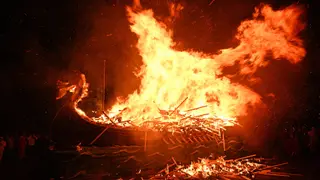
Archaeologists say there is no direct evidence that Vikings used flaming arrows to ignite funeral boats, a scene common in films and television. The practice would leave little trace, and shipwrecks containing human remains from the Viking Age are extremely rare. Distinguishing a fire set by an arrow from an ordinary blaze would also be difficult, according to researchers.
The Myklebust ship in Norway represents one of the clearest archaeological examples of a Viking vessel burned during funeral rites, though it was consumed on land rather than at sea. Its size suggests it belonged to a wealthy individual, possibly even a king, indicating that ship cremation was reserved for society's elite.
Ahmad ibn Fadlan's 10th-century account describes a chieftain's boat being ignited by a chief mourner while positioned on land, not launched into water. This distinction matters because the popular image of a drifting, flaming vessel may conflate multiple traditions or simply reflect dramatic license in modern storytelling.
This story may reshape how audiences interpret Viking funerals depicted in films and television, encouraging more skepticism toward dramatized historical scenes. Educators and content creators could use these findings to spark public interest in archaeological methods and the limits of material evidence. While the correction is minor, it may gradually influence how Viking culture is portrayed in future media, fostering a more nuanced public understanding of what archaeology can and cannot confirm about ancient practices.