Senator Urges Democrats to Make Climate a Central Midterm Message
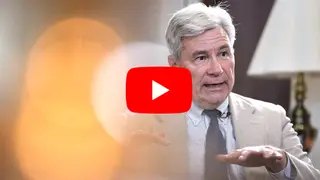
In a podcast interview ahead of Climate Week NYC, Rhode Island Senator Sheldon Whitehouse argues that Democrats should not shy away from climate messaging despite fossil fuel industry influence. He emphasizes the need to highlight both the financial costs of inaction and the corruption of industry-funded disinformation. Whitehouse also discusses the potential for bipartisan permitting reform and the role of courts in climate policy.
Whitehouse has made climate advocacy a personal hallmark, delivering over 300 Senate floor speeches using his signature "Time to Wake Up" chart to draw attention to fossil fuel pollution risks. His broader critique targets industry-funded disinformation, which he links to systemic financial threats for the economy and federal budget. He also proposes 18-year Supreme Court term limits with retroactive application to refresh the bench, and he attributes stalled bipartisan permitting reform to executive branch officials he claims are obstructing clean energy projects while favoring fossil fuel interests.
The interview arrives just before Climate Week NYC and weeks before midterm elections, positioning climate as a contested political battleground. Whitehouse's stance contrasts with Democratic strategists who advise downplaying climate language, suggesting an intra-party debate over messaging effectiveness. His emphasis on corruption and financial costs frames climate as both an economic and governance issue rather than purely environmental.
This interview could influence how Democratic candidates frame climate messaging in tight midterm races, potentially shifting voter attention toward financial consequences and industry influence rather than abstract environmental concerns. If Whitehouse's approach gains traction, it may energize climate-focused voters while risking alienation of moderate constituencies in fossil fuel-dependent regions. The discussion of court reform and permitting delays could also shape public expectations about federal climate action, affecting how citizens evaluate government accountability on environmental policy.