Noctua cooling keeps anti-AI camera running at full speed during heavy workloads
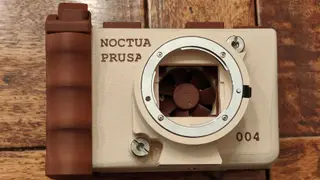
Noctua's NF-A4x10 fan is used in the CAIM1 4K camera, which simultaneously records high-bitrate video and generates cryptographic proof to verify authenticity. The compact device's processor would otherwise overheat and throttle without active cooling. The camera is designed to prove that footage has not been altered or AI-generated.
The CAIM1's dual workload—simultaneous 4K60 video capture and cryptographic attestation—generates significant heat within a compact, mostly enclosed chassis. Noctua's NF-A4x10 5V PWM fan, positioned directly behind the image sensor, pushes air across an alloy heatsink backplate and exhausts it through the camera's left side, using custom anti-vibration mounts to minimize microvibrations that could affect audio recording.
The device remains in prototyping, with current units 3D-printed using Prusament PETG filament in Noctua's signature beige and brown. The camera is slated for demonstration at Japanese trade shows later this month, with commercial availability targeted for the first quarter of 2027.
This device could meaningfully affect journalism, legal evidence, and documentary work by offering a verifiable chain of authenticity for visual media at the moment of capture. If adopted, it may pressure content platforms and newsrooms to treat cryptographic proof as a new baseline for trust, potentially widening the gap between institutions that can afford such hardware and ordinary users who cannot. Its impact ultimately depends on whether independent verification systems gain widespread acceptance.