Eight Years On: How Nvidia's Turing GPUs Launched the Ray Tracing Era
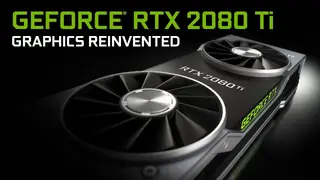
Nvidia's GeForce RTX 2080 and 2080 Ti, released on this day in 2018, introduced real-time ray tracing to consumer GPUs, a feature the company touted as a 'new golden age of gaming.' Despite CEO Jensen Huang's bold claims, early adoption was hampered by a lack of supporting games and significant performance costs. Even today, many gamers remain indifferent to ray tracing due to its impact on frame rates.
The RTX 2080 and 2080 Ti launched at $699 and $1,200 respectively, with the Ti model costing 71% more than the GTX 1080 Ti while delivering only about 26% faster performance. Early ray tracing showcases were limited to a handful of titles like Battlefield V and Metro Exodus, and the 2080 Ti drew roughly 280W during gaming sessions.
Nvidia positioned Turing as a "20 years in the making" breakthrough, but the initial lineup offered little content to justify the premium. The RTX 2070 arrived a month later, and mainstream adoption lagged as gamers weighed visual fidelity against significant frame rate penalties—a trade-off that remains contentious today.
Ray tracing's gradual spread into consoles and mobile devices could normalize the technology, but its performance cost may keep many PC gamers skeptical for years. This tension could influence how developers prioritize visual effects versus frame rates, and may shape future GPU purchasing decisions. For everyday consumers, the impact is largely recreational, though it could widen the gap between high-end hardware owners and budget-conscious players.