Physician Argues Politics Should Stay Out of Patient Care
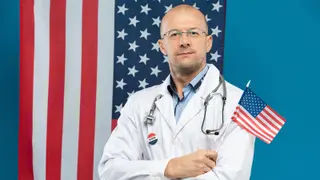
In a commentary, a physician contends that the rise of political activism among doctors threatens patient trust and distracts from medical missions. He cites incidents at the American Diabetes Association meeting and international medical bodies as examples of politics overshadowing healthcare. He urges colleagues to separate personal politics from clinical practice and professional conferences.
The commentary by Alan B. Schorr, DO, centers on a perceived surge of political activism among physicians, citing specific recent events. At the American Diabetes Association meeting, distributors of an editorial critical of research budget cuts were ejected, banned, and faced arrest threats, triggering resignations and a public apology from CEO Charles Henderson. Schorr also references international disputes, including efforts to bar the Israeli Medical Association from the World Medical Association and the British Medical Association's attempt to rescind a standard antisemitism definition.
Schorr contrasts his view with physicians who see advocacy as inherent to the role, citing Alan Rogers and Brinda Sarathy. He draws a historical warning from early 20th-century eugenics, Nazi-era physician complicity, and the Nuremberg Code, arguing that blending politics with practice erodes patient trust. He quotes bioethicist Thomas Huddle, who asserts political advocacy is not professional work, and notes instances of doctors refusing care based on belief.
This debate could significantly influence how medical organizations handle political expression at conferences and in exam rooms. If widely adopted, separating personal politics from clinical practice may help rebuild trust with patients who feel alienated by physician activism, potentially improving patient-physician relationships. However, it could also stifle legitimate health-policy advocacy, affecting public health outcomes. The impact may be felt by patients seeking unbiased care, physicians navigating professional boundaries, and medical societies facing internal conflicts, possibly reshaping ethics guidelines and educational priorities.