Musk pitches Hyperloop to connect Texas cities
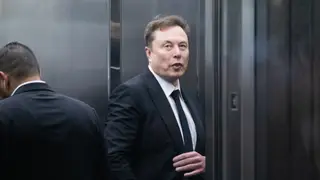
Elon Musk said his tunneling firm is developing a Hyperloop route between Austin and San Antonio that would cut travel time to under half an hour. The Boring Company responded positively, though it has a history of unfulfilled projects. The firm operates a system in Las Vegas and recently secured $3 billion in funding from the UAE.
The Boring Company’s only operational transit system is in Las Vegas, where it runs a mix of tunnels and surface routes. Its recent $3 billion funding round, led by the United Arab Emirates, provides financial backing, yet many earlier proposals—such as Chicago, Los Angeles, and a Northeast corridor—never advanced past announcements. Musk’s Austin–San Antonio claim emerged as a reply to an AI-generated video about space colonization, not as a formal project update. The company’s social media response expressed enthusiasm but offered no timeline or engineering details.
This pattern of ambitious declarations followed by limited delivery has drawn skepticism. Musk’s critics, including historian Jill Lepore, suggest his futuristic pitches often rely on pulp sci-fi imagery that contradicts his stated political views. The Hyperloop concept itself remains unproven at scale, and the Texas corridor would face regulatory, land-use, and cost hurdles that the Las Vegas system has not yet demonstrated it can overcome.
If realized, an Austin–San Antonio Hyperloop could reshape regional commuting, potentially easing highway congestion and altering housing and job patterns between the two metros. However, given The Boring Company’s record of unfulfilled projects, the announcement may primarily generate media attention and investor interest rather than near-term infrastructure. Residents and policymakers should weigh the promise of rapid transit against the firm’s demonstrated execution gaps, as public funds and land rights could be at stake if the project moves forward.