After Nepal's deadly glacier flood, scientists warn of other vulnerable regions
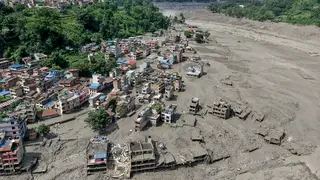
A catastrophic flood in the Nepal-Tibet border region on August 26 killed at least 1,400 people and left thousands missing, triggered by a massive rock and ice collapse that plunged into the Lhende River. Experts say glacier shrinkage is causing slope failures worldwide, and they are monitoring other high-risk areas, including a tropical region of particular concern. The event underscores the growing threat of glacier-related disasters as climate change accelerates ice loss.
The August 26 disaster occurred when roughly 2,000 meters of vertical drop sent bedrock and glacial ice crashing into the Lhende River at speeds approaching 150 meters per second. The resulting flood surge gathered debris and water as it traveled downstream, overwhelming communities with little advance notice. Experts emphasize that this event combined multiple amplifying factors: the sheer scale of the landslide, the volume of water mobilized, and the density of population and infrastructure in the flood's path.
The High Mountains Asia region, sometimes called the "third pole" for holding the world's third-largest ice volume, faces particular danger. A 2023 study in Nature estimated that over 9 million people in this area are exposed to glacial lake outburst floods, where water suddenly breaches natural dams. Steep terrain and narrow valleys accelerate the movement of water and debris, allowing floods to travel vast distances and strike populated areas far from their origin.
This disaster could reshape how communities and governments assess risk in glaciated mountain regions worldwide. Populations in vulnerable valleys may face difficult decisions about relocation, infrastructure investment, and early-warning systems. The event may also accelerate scientific monitoring efforts in other high-risk areas, potentially saving lives where warnings are possible. However, the unpredictable nature of slope failures means some communities could remain exposed despite improved forecasting, highlighting the broader challenge of adapting to rapidly changing mountain environments.