Ancient Javanese Gold Death Mask Sheds Light on Prehistoric Burial Rites
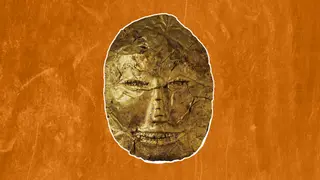
A 2,000-year-old gold funeral mask from prehistoric Java, Indonesia, has been highlighted as a remarkable example of ancient goldwork. The mask was likely intended to confuse the spirit of the deceased, preventing it from returning to torment the living. Its intricate design offers insight into the cultural and spiritual practices of the region's early inhabitants.
The mask represents a distinctive approach to death rituals among early Javanese societies, where goldwork served both decorative and protective functions. Such objects reflect sophisticated metallurgical skills developed in the region long before recorded history. The belief that a spirit could be disoriented by a face covering points to complex ideas about the afterlife and the relationship between the living and the dead. Artifacts of this kind help archaeologists reconstruct belief systems that left no written records, showing how material culture encoded spiritual concerns. The mask's survival over two millennia also testifies to the durability of gold and the care with which such objects were deposited.
This discovery could reshape public understanding of prehistoric Southeast Asian societies, which are often overshadowed by better-known ancient civilizations. Museums and educators may use such artifacts to illustrate that sophisticated spiritual and artistic traditions flourished in the region. For Indonesian heritage institutions, the mask may strengthen cultural identity and tourism interest. Researchers could gain renewed attention for funding archaeological work in the area. The story may also prompt broader appreciation of how ancient peoples addressed death and the supernatural, resonating with contemporary audiences curious about humanity's shared past.