Multifunctional microfluidic brain probe records, delivers, and stimulates
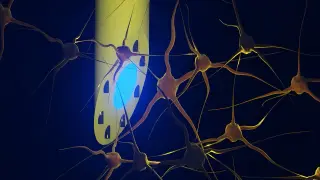
A new implant called the microfluidic Axialtrode combines recording, drug delivery, and stimulation in a single flexible fiber. Tests in mice show it can access multiple brain regions along its length. The device may aid research on epilepsy and memory and could eventually have therapeutic uses.
The mAxialtrode's key innovation lies in its architecture: unlike conventional flat-ended optical fibers that only interact with tissue at their distal tip, this implant features multiple functional points along its entire length. This allows researchers to access several brain layers simultaneously, which is particularly valuable for studying processes like epilepsy and memory that involve signal transmission across different regions. The device's angled tip and soft, plastic-like construction—a departure from rigid silicon-based implants—help minimize tissue irritation and inflammatory responses during insertion.
The device was developed through an international collaboration involving DTU, the University of Copenhagen, and University College London, with findings published in Advanced Science. While the current focus is on research applications—enabling optogenetics, drug delivery, and electrical recording in a single probe—the researchers acknowledge that clinical use remains distant, requiring extensive testing and regulatory approval before any therapeutic application could be considered.
This device could meaningfully reshape how neuroscientists study complex brain functions, potentially accelerating research into epilepsy, memory disorders, and decision-making processes by enabling more precise, multi-region experiments in a single procedure. For patients, therapeutic applications remain speculative but promising—the implant's combined drug delivery and stimulation capabilities could eventually offer a less invasive treatment option for neurological conditions. However, the gap between animal testing and human use is substantial, and the technology's real-world impact will depend on long-term safety data and regulatory pathways that are still years away.