Protecting standing Amazon forests yields greatest conservation gains
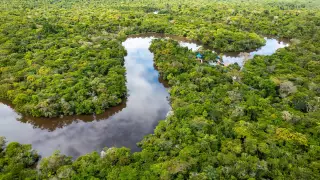
A study in Science compared conservation strategies across 3 million hectares in the Brazilian Amazon. Preventing wildfires and logging in existing forests provided the largest biodiversity benefits and nearly matched deforestation prevention for carbon storage. Restoration was important in heavily cleared areas but was more expensive and less effective alone.
The study spanned more than three million hectares across two Brazilian municipalities, Santarém and Paragominas, combining satellite data with on-the-ground surveys. Researchers tracked 160 bird species and 426 tree species across 381 transects and 499 rural properties, then modeled counterfactual scenarios to estimate outcomes under different conservation approaches while factoring in intervention costs.
The findings arrive as the 2026 El Niño intensifies, which researchers note brings longer, hotter dry seasons to the Amazon's "arc of deforestation," increasing wildfire severity. This timing makes protecting standing forests from fire and selective logging particularly urgent, since these disturbances degrade ecosystems even when trees remain standing.
This research could influence how conservation funding is allocated in tropical regions, potentially steering resources toward fire prevention and logging controls rather than focusing solely on reforestation. Governments, NGOs, and landowners in Brazil may reconsider priorities, especially as climate change intensifies dry seasons. The findings could also shape international climate finance decisions, though local economic pressures and enforcement capacity will ultimately determine whether such strategies are adopted.