Southern Taurid meteor shower begins its two-month run, with fireball potential and two peak viewing windows
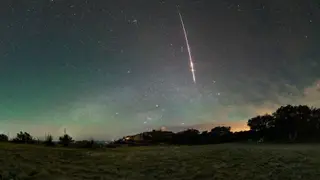
The Southern Taurid meteor shower is now active through late November, with two expected peak nights in mid-October and early November. Though the shower typically yields only a handful of meteors per hour, it is known for producing bright fireballs. The meteors travel relatively slowly, allowing longer viewing times and glowing trails.
The Southern Taurids' slow entry speed — roughly 17 miles per second — is unusually leisurely for meteors, which is why they linger longer in view and often leave persistent glowing trails. The debris stream originates from Comet 2P/Encke, and the shower forms one half of the broader Taurid complex, with the Northern Taurids arriving later in autumn from the same source.
This year's viewing conditions are favorable: the October peak falls on a moonless night, while November's peak features only a thin waning crescent rising near dawn. The radiant sits in Taurus, but observers are advised to scan the entire sky rather than fixate on one constellation, since meteors can appear anywhere overhead.
The Southern Taurids could draw casual stargazers and astronomy enthusiasts to dark-sky locations during both peak windows, especially given the favorable lunar conditions and the shower's reputation for fireballs. Such bright meteors may generate social media sharing and renewed public interest in night-sky observation. However, the low hourly rates mean most urban dwellers may see little without traveling, potentially limiting the event's reach to dedicated skywatchers rather than the general public.