FDA Reviewers See No Red Flags in Grail's Blood-Based Cancer Screening Test
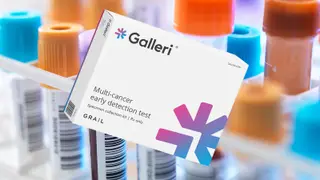
Ahead of an advisory committee meeting, FDA staff issued a briefing document that raised no significant safety or accuracy concerns about Grail's Galleri test, a blood-based screening tool for multiple cancer types in adults 50 and older. The agency noted the test could address an unmet need by detecting cancers without guideline-recommended screening, while also cautioning that false positives and negatives warrant careful consideration. Staff took a neutral stance on data from the PATHFINDER 2 and NHS-Galleri trials, which included a recent failure to meet a primary endpoint in the U.K. study.
The Galleri test detects cancer-related DNA signals in a single blood draw, targeting adults 50 and older. FDA staff highlighted that many cancer deaths stem from malignancies lacking established screening protocols, positioning the test as a potential bridge for that gap. Performance data from two trials showed specificity above 99%, though sensitivity remained modest at roughly 32-35%, meaning some cancers would be missed.
The advisory panel will vote on safety, effectiveness, and whether benefits outweigh risks. Notably, the NHS-Galleri trial failed its primary endpoint of reducing late-stage cancer diagnoses, yet FDA staff focused on test performance metrics rather than that outcome. The agency also requested guidance on labeling and communicating limitations to clinicians and patients.
This decision could reshape cancer screening practices for millions of older adults who currently lack options for certain tumor types. If approved, the test may enable earlier detection of hard-to-find cancers, but false positives could trigger unnecessary procedures and anxiety, while false negatives might delay diagnosis. Widespread adoption would depend on insurance coverage and physician trust, potentially widening or narrowing existing disparities in preventive care access.