Geothermal boom in the West faces water scarcity hurdles
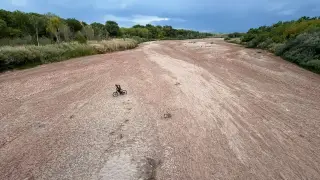
Geothermal developers are racing to supply clean, round-the-clock power to data centers in the arid Mountain West, but the technology requires significant water. New projects in states like Utah and New Mexico could strain limited regional water supplies, especially when combined with data centers' own cooling needs. Experts urge careful planning to balance renewable energy growth with water conservation.
The boom is fueled by drilling techniques adapted from oil and gas extraction, alongside California's aggressive renewable targets. Federal land auctions for geothermal leases drew record per-acre bids this year. Tech giants are anchoring demand: Google's recent agreement with Fervo for 396 megawatts from Utah's Cape Station—enough for roughly 430,000 homes—joins Meta's earlier pact in New Mexico.
Water remains the central tension. Traditional plants tap natural underground reservoirs, but next-generation methods inject their own water into hot, dry rock. XGS Energy's closed-loop system in drought-stricken New Mexico recycles its water continuously, requiring almost none. However, other approaches may need substantial volumes, and data centers themselves consume water for cooling, compounding regional stress.
The geothermal-data center pairing could reshape water allocation in the arid Mountain West, pitting clean energy goals against municipal and agricultural needs. Local communities and water districts may face harder choices as both power plants and server farms draw from limited aquifers. This tension could spur innovation in water-efficient closed-loop systems, but also may slow project approvals or raise costs. Ultimately, the region's ability to balance these demands will influence whether the clean-power boom becomes a sustainable model or a new source of conflict.