New sensor chip turns light into AI tokens on the spot, cutting energy use
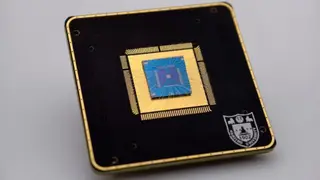
Researchers at Nanjing University have developed a chip called LightTok that converts light directly into tokens for AI processing on the sensor itself, bypassing energy-intensive steps like analog-to-digital conversion. The design aims to reduce energy consumption in autonomous machines such as drones. The study was published in the journal Nature Sensors.
The LightTok chip integrates sensing, memory, and computation into a single pixel array built from molybdenum disulfide, a 2D material just one atom thick. Its floating-gate phototransistor traps electrical charge after light exposure, allowing the chip to generate AI-ready tokens directly at the detection point. This eliminates the need for separate analog-to-digital conversion, which prior research attributes to roughly two-thirds of typical image sensor energy use. The design also removes data movement between chips, a major source of energy waste in conventional systems. Miao Feng, director of Nanjing University's Institute of Brain-Inspired Intelligence, led the work, which appeared in Nature Sensors in August.
This technology could meaningfully extend the operational range of battery-limited autonomous systems, particularly drones that rely on continuous visual processing. Reduced energy demands may allow smaller batteries, longer flight times, or more frequent data collection in remote settings. Industries such as agriculture, infrastructure inspection, and delivery services could benefit. However, widespread adoption depends on manufacturing scalability and integration with existing AI frameworks, so real-world impact may take years to materialize.