Raspberry Pi firmware blocks RAM swaps to thwart reseller fraud, but also hinders legitimate repairs
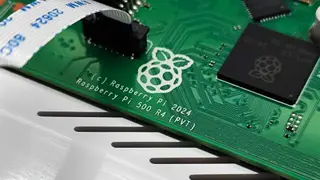
Raspberry Pi has been locking its boards to the factory RAM size in firmware to prevent resellers from swapping memory chips of dubious origin and reselling them as higher-capacity units. The company says this ensures reliability and reduces support burden, but it also blocks legitimate repairs or upgrades. A Raspberry Pi engineer told DIY users not to attempt RAM modifications because they won't work.
The firmware lock, which began appearing in updates from late 2024, predates the recent surge in RAM prices driven by AI data center demand. This timing suggests the decision was a proactive measure rather than a reaction to current market conditions, though the ongoing chip shortage may amplify its significance for users seeking repairs.
Raspberry Pi's forum moderator explained that the company also programs additional device attributes into firmware, meaning even same-capacity RAM replacements may fail to function. Community figures like Jeff Geerling have proposed alternatives, including a warranty-bit system or one-time firmware flag that would void support for modified boards while preserving user flexibility.
This policy could affect hobbyists, repair technicians, and small businesses that rely on Raspberry Pi boards for custom projects or cost-effective repairs. While the measure may protect consumers from fraudulent resellers, it also erodes the right-to-repair ethos central to the maker community. Users seeking upgrades or legitimate component replacement may be forced to purchase new boards, potentially increasing electronic waste and costs for individuals and organizations with limited budgets.