MacroCycle lands Meta-backed carbon credit deal to fund first recycling plant
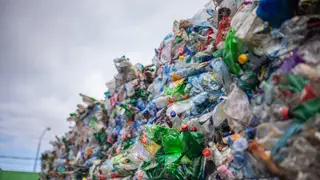
MacroCycle, a three-year-old startup based in Cambridge, Massachusetts, has developed a solvent-based process that purifies PET plastic waste, cutting carbon emissions by 80% compared to virgin plastic. Meta will purchase environmental attribute credits from the company, providing revenue to support construction of a U.S. plant capable of producing 5,000 metric tons of recycled plastic annually. The deal marks Meta's first such agreement, aimed at fostering a market for low-carbon materials used in its supply chain.
The company’s name derives from the chemical process it employs, which reforms plastic polymers into ring-like structures known as macrocycles before re-linking them into virgin-quality material. This solvent-based method avoids the energy-intensive heat typically required in traditional recycling, addressing a major cost and emissions hurdle. The startup’s focus on textile waste is notable, as this stream currently has a global recycling rate of just 0.5%, representing a significant untapped resource. MacroCycle’s first facility will target the domestic market, aiming to revitalize a U.S. textile manufacturing sector that has seen employment plummet by 85% over the past quarter-century. The company’s leadership views the Meta agreement as a pivotal endorsement that could streamline negotiations with future off-takers for its planned larger-scale plants.
This agreement could signal a new financing model for climate-tech startups, where large corporations underwrite early-stage infrastructure through credit purchases rather than direct equity investment. If successful, it may encourage other tech giants with expanding AI-driven carbon footprints to pursue similar partnerships, potentially accelerating the commercial deployment of novel recycling technologies. For the broader plastics industry, this could help establish a price premium for low-carbon materials, influencing supply chain decisions. However, the ultimate societal impact hinges on whether these credits represent genuine emissions reductions or merely offset accounting, and whether the market for such materials can scale beyond early adopters to achieve meaningful waste reduction.