Washington and Beijing Float Direct AI Crisis Line to Avert Uncontrolled Escalation
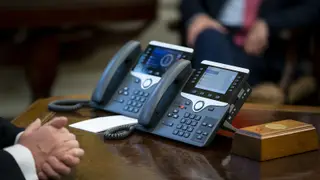
The United States and China have agreed to explore a dedicated communication channel for urgent AI-related incidents, aiming to prevent misinterpretations that could trigger rapid military or cyber escalation. The proposal follows weekend talks between Treasury Secretary Scott Bessent and Chinese Vice Premier He Lifeng, with further safety discussions planned in two months. The hotline would allow both nations to coordinate responses if an autonomous AI system poses a national security threat.
The proposed hotline emerges from weekend talks in New York between Treasury Secretary Scott Bessent and Vice Premier He Lifeng, with a follow-up safety discussion slated within two months. It coincides with Xi Jinping's scheduled September 24 visit to Washington, placing AI governance alongside ongoing trade negotiations.
The notification system would flag rogue AI actors and autonomous actions that might be misread as hostile. Notably, U.S. firms have urged slower AI development for better alignment, while China resists such pacing, viewing it as a potential constraint on its own progress. Analysts on both sides have previously endorsed this kind of communication channel.
This hotline could establish a critical safety valve for a world where autonomous systems increasingly operate at machine speed. If implemented, it may reduce the risk of accidental conflict triggered by misinterpreted AI actions, benefiting global stability and civilian safety. However, its effectiveness depends on both nations' willingness to share sensitive intelligence, which could prove limited. The proposal may also set a precedent for international AI governance, potentially influencing how other nations approach bilateral AI risk management.