Space Startup Starcloud to Deploy Bitcoin Miners on Second Orbital Mission
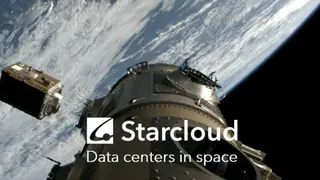
Starcloud, a startup backed by Nvidia, plans to become the first company to mine Bitcoin in space. The firm will place cryptocurrency mining ASICs on its second spacecraft, which is scheduled to launch later this year. It aims to exploit continuous solar energy and radiative cooling to power the operation.
Starcloud’s second satellite, slated for launch later this year, will carry both a GPU cluster and Bitcoin-mining ASICs, though its official mission page omits the mining hardware. The company’s CEO cites ASICs’ cost advantage—roughly $1,000 per kilowatt versus $30,000 for a comparable Nvidia GPU—as a key driver. The firm’s broader goal is moving data centers to orbit, leveraging near-constant solar power and radiative cooling, while avoiding terrestrial permitting hurdles. However, space operations face challenges like vacuum-based cooling limitations and limited servicing options, which may only become clear after this pioneering flight.
This venture could reshape how energy-intensive computing is perceived, potentially easing terrestrial grid strain and permitting disputes. If successful, it may lower Bitcoin’s environmental footprint, but also concentrate mining power among well-funded space players. The high upfront costs and technical risks mean near-term societal impact is likely limited to signaling—demonstrating that orbital compute is feasible, which could spur regulatory frameworks for space-based data centers and influence future energy policy debates.