Frozen soil bacteria may hold key to outsmarting future drug resistance
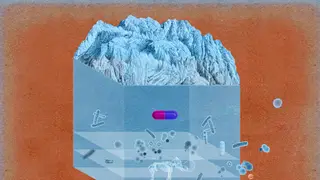
Researchers are using advanced gene sequencing to detect antibiotic-resistance genes in bacteria thawing from ancient permafrost and warming soils. This early-warning approach could identify dangerous resistance mechanisms before they spread to human pathogens. The strategy may also guide development of antibiotics that remain effective against resistance traits not yet evolved in disease-causing bacteria.
The article explains that antibiotic resistance is not a purely modern phenomenon—many drugs originated in nature as microbial weapons, and resistance genes evolved alongside them. Horizontal gene transfer enables bacteria to share resistance traits across species boundaries, with plasmids acting as mobile genetic parcels that can persist in soil for later uptake.
Researchers estimate drug-resistant infections caused 1.27 million direct deaths in 2019, with projections rising to roughly 1.9 million annually by 2050. The resistome concept describes the vast environmental reservoir of resistance genes, which warming temperatures are increasingly mobilizing from frozen soils and grasslands, making early detection through gene sequencing a critical monitoring strategy.
This early-warning approach could shift medicine from reactive treatment to preventive design, potentially allowing researchers to develop antibiotics that account for resistance mechanisms not yet present in human pathogens. Hospitals and public health systems may benefit from reduced treatment failures and mortality rates. However, the timeline between environmental detection and clinical application remains uncertain, and translating these findings into practical therapies would require sustained research investment and international coordination.