Citizen Photos Help Scientists Map Complex Food Webs
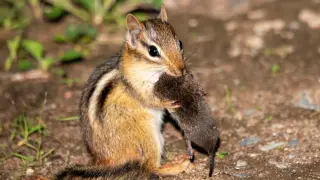
A new platform called Who Eats Whom uses photos uploaded to iNaturalist to document predator-prey interactions across the globe. Ecologists have already compiled over 17,000 observations involving 5,700 species, revealing unexpected relationships like rats eating their own young. The crowdsourced data could help track how ecosystems shift as the climate warms.
The platform draws on iNaturalist's vast photo archive, where users geotag wildlife sightings. Ecologists traditionally relied on direct observation or dissecting scat to trace feeding relationships, but crowdsourced imagery offers a broader, faster net. The database already spans 17,000 documented interactions across 5,700 species in over 100 countries.
The interactive food web visualization reveals unexpected links—ermines carrying off brown rats near Ottawa, red-tailed hawks preying on snakes and squirrels, and goldenrod crab spiders ambushing Western honey bees. Researchers note that even comparing data from five years ago shows shifting feeding patterns, making the archive a living record of ecological change.
This crowdsourced approach could reshape how ecologists monitor ecosystem health, offering a low-cost, global observation network that traditional field studies cannot match. Conservation planners may use these interaction maps to anticipate how species relationships shift under climate pressure, potentially informing habitat protection decisions. The platform's growth could also deepen public engagement with ecological science, as everyday photographers contribute meaningfully to professional research.