Fetal TORCH Infections Triple Autism Risk, Study Finds
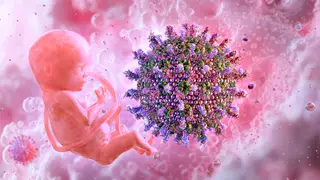
A Swedish study of nearly 3.7 million children identified 975 with congenital TORCH infections, which include toxoplasmosis, syphilis, rubella, cytomegalovirus, and herpes simplex. These children were three times more likely to develop autism and seven times more likely to have intellectual disabilities compared to uninfected peers. The researchers estimated that about one in five exposed infants may develop autism, though such infections account for only a tiny fraction of all autism cases.
The study's sibling comparisons strengthen the case that TORCH infections directly contribute to neurodevelopmental harm, since shared family genetics or environment did not explain the elevated risks. Congenital cytomegalovirus accounted for roughly half of all identified infections and carried a nearly five-fold autism risk, making it the dominant contributor among the five pathogens examined.
Researchers emphasized that TORCH infections differ fundamentally from common pregnancy infections, which typically show no true causal link to autism when familial factors are controlled. Despite the stark relative risks, these infections remain extremely rare, representing only a tiny fraction of autism cases population-wide.
This research could sharpen prenatal screening discussions and public health messaging, particularly around cytomegalovirus, where awareness remains low. Families with affected children may face difficult prognostic conversations, while clinicians could gain clearer guidance on monitoring exposed infants for early developmental signs. However, because TORCH infections are so rare, the findings may have limited impact on overall autism prevalence, though they could still influence targeted prevention efforts and prenatal care protocols.