Electro-agriculture: A vision for sustainable farming powered by renewable energy
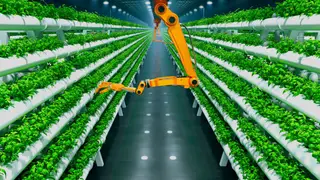
Electro-agriculture, or electro-ag, involves growing plants using electricity instead of sunlight, potentially allowing crops like strawberries and avocados to be cultivated in the dark. The technology aims to reduce the environmental damage caused by conventional farming, which contributes to climate change and biodiversity loss. However, it must become cost-competitive and appealing to consumers to be widely adopted.
Electro-agriculture addresses a core inefficiency: plants typically convert less than 1 percent of sunlight into edible biomass, while standard solar panels exceed 20 percent efficiency. This disparity underpins the technology's promise. Vertical farming with grow lights has failed commercially, partly because each hectare of growing space requires roughly 13 hectares of solar panels to power illumination.
The approach targets the destructive cycle where farming drives climate change and biodiversity loss, while warming in turn reduces crop yields—as seen in Europe this year. Proponents envision staple and luxury crops alike, from strawberries to olives, produced in dark facilities. Success hinges on achieving price parity with conventional agriculture and winning consumer acceptance.
If electro-agriculture matures, its impact could be significant for food security and land conservation. It may reduce pressure to clear forests for farmland, potentially easing biodiversity loss and greenhouse gas emissions. Consumers could see new food options, though adoption depends on taste and cost. Farmers and agricultural workers might face disruption, while communities in regions where conventional farming becomes less viable could experience economic shifts. The technology's trajectory remains uncertain, but its potential to break the climate-food production feedback loop warrants attention.