UN Opening Highlights Deep Divide on Climate Action
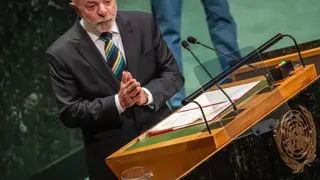
At the UN General Assembly's 81st session, Brazilian President Lula urged decarbonization, forest protection, and technology transfer for the energy transition, while U.S. President Trump rejected global climate and AI regulations, championing fossil fuels and technological dominance. The session occurs amid record heat, a looming El Niño, and geopolitical tensions that are straining energy markets and raising concerns about food prices. Environmental advocates called for international cooperation and clean energy investment as a path to stability.
The session unfolds as June posted the second-warmest global reading on record, with Western Europe experiencing its hottest June ever measured. A potentially record-breaking El Niño is projected to peak around December, raising concerns about drought, crop failures, and food-price shocks across vulnerable regions.
Geopolitical strains compound the picture. The U.S.-Iran conflict has spread regionally, with Houthi-Saudi clashes disrupting oil markets already constrained by Strait of Hormuz issues. Meanwhile, surging AI data center growth in the U.S. is driving fossil-fuel generation and grid upgrades, pushing electricity bills higher.
The clash between the two leaders may shape how nations approach climate commitments in the coming year. If major economies split between decarbonization advocates and fossil-fuel champions, international agreements could weaken, potentially slowing clean energy investment. Communities facing extreme heat, drought, or food-price inflation may feel the effects most acutely, as policy uncertainty could delay the infrastructure and technology transfers needed to adapt. The outcome may also influence whether AI regulation gains traction globally.