Rural Pennsylvania Clinics Tackle Health Fallout from Climate-Driven Crises
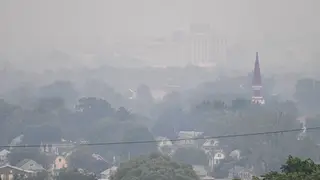
After the 2023 East Palestine train derailment and Canadian wildfire smoke events, Dr. George Garrow of Primary Health Network realized his medical training lacked guidance on treating patients exposed to environmental pollutants. He observed that low-income and unhoused individuals suffered the most from poor air quality. Garrow is now collaborating with Penn State and the Pennsylvania Department of Health to develop an environmental health learning collaborative for community clinics.
Dr. George Garrow, who leads a 46-clinic network serving underserved Pennsylvanians, found himself unprepared when the East Palestine derailment and Canadian wildfire smoke struck in 2023. He observed that patients with low incomes or unstable housing suffered most from degraded air. In response, he is partnering with Penn State and the state health department to train rural primary care providers on environmental health risks, aiming to build a more climate-resilient care system.
Research from Penn State's Kristina Brant adds urgency. Her July study of rural Appalachian counties from 2000 to 2017 linked severe floods to a significant rise in opioid overdose deaths, estimating over 1,300 such deaths. The effect persisted for up to a decade, driven by the trauma of a community-wide disaster, even for those who did not lose their homes.
This initiative could reshape how rural healthcare systems prepare for climate shocks, potentially reducing long-term health disparities. However, without broader support, clinics may struggle to implement new protocols. The link between flooding and overdose deaths suggests disaster response must integrate mental health and addiction services, or vulnerable communities could face compounding crises. The impact may be most acute for low-income and unhoused residents, who already bear the brunt of poor air quality and lack stable recovery resources.