AMD's Linux driver patches hint at GDDR7 adoption for future Radeon GPUs
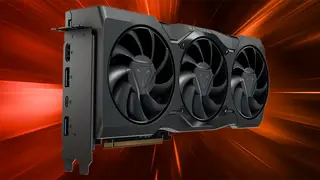
AMD has started integrating GDDR7 memory identification and new graphics IP blocks into its open-source Linux kernel driver, according to Phoronix. These changes are likely tied to the company's next-generation RDNA 5 architecture, though they do not guarantee an imminent product launch. The patches also include updates to interrupt handling and bus interface components, suggesting broader hardware enablement work is underway.
The driver patches represent incremental software groundwork rather than a product announcement. AMD's current Radeon RX 9000 series relies on GDDR6, so the memory identification change signals a deliberate shift toward the newer standard for future discrete GPUs. Alongside GDDR7, AMD is enabling updated interrupt handling (IH 8.0) and bus interface (NBIF 7.10) blocks, plus earlier work on display and graphics cores.
AMD's architecture lead, Laks Pappu, previously disclosed work on chiplet-based and monolithic graphics SoCs. The company's Navi 31 already separated compute from memory dies, but distributing compute across multiple dies would demand sophisticated interconnect and coherency mechanisms. These driver changes suggest AMD is preparing software for that broader hardware transition.
The shift to GDDR7 could meaningfully raise memory bandwidth for gaming and AI workloads on future Radeon cards, potentially improving performance in memory-bound applications. Consumers may see faster frame rates and better ray tracing, while developers gain headroom for larger textures. However, new memory standards often carry early adoption costs, which could affect GPU pricing. The broader industry impact may depend on how quickly AMD and competitors transition, influencing upgrade cycles and software optimization priorities across the PC ecosystem.