Jurassic Plesiosaur Regurgitalites Shed Light on Diet and Behavior
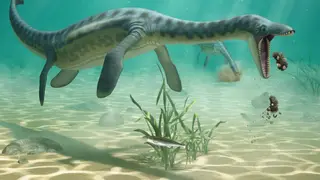
A geologist has identified fossilized vomit, known as regurgitalites, in rock cores from beneath the North Sea. The material contains shells and other remains that indicate a long-necked plesiosaur fed on seafloor organisms and later regurgitated indigestible parts. The findings suggest these reptiles foraged offshore and then moved into brackish delta environments.
The regurgitalites were recovered from drill cores near the Troll field on the Horda Platform, in delta deposits where freshwater mixed with seawater. The shells show corrosion from digestive acids, and the mixed species composition rules out natural accumulation. Cryptoclidid plesiosaurs, with their long necks and small heads, are the suspected culprits.
Dr. Knaust has formally classified these as a new trace fossil type, *Vomitus*, with three varieties based on dominant shell content. Similar specimens found elsewhere over the past century were often misidentified as storm deposits or feces. This is the first systematic classification of such fossils from continuous core material.
This discovery may reshape how paleontologists interpret marine reptile feeding behavior, offering a rare direct record of digestion and movement patterns. It could also refine methods for identifying regurgitalites in other drill-core collections, potentially yielding new data on Jurassic ecosystems. For the public, such findings humanize extinct animals, making prehistoric life more relatable through everyday biological functions.