Student presses Michigan Senate candidate El-Sayed on Iran, citing family's persecution
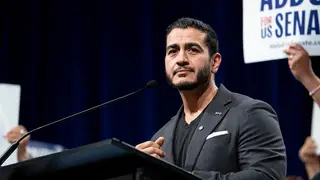
At a University of Michigan town hall, a Persian student challenged Senate candidate Abdul El-Sayed over his stance on Iran, citing his family's persecution by the regime. The student pressed El-Sayed on his past silence regarding the death of Iran's supreme leader. El-Sayed responded by saying the U.S. should not act as the world's policeman.
El-Sayed, a former Detroit health official, won Michigan’s Democratic primary in August and now faces Republican Mike Rogers for the open Senate seat. The town hall exchange occurred amid heightened tensions over Iran policy, with El-Sayed’s earlier leaked audio—where he declined to discuss Khamenei’s death, citing mourning in Dearborn—drawing criticism from Iranian-American activists. His response emphasized opposition to U.S.-led regime change while voicing support for grassroots democratic movements.
The student, Iman Dashti, cited personal family suffering under Iranian authorities, including an uncle’s death sentence and a cousin hunted by the IRGC. El-Sayed repeatedly avoided a direct “yes” to Dashti’s question, instead reiterating that Iranians themselves should determine their leadership. The exchange highlights the delicate balance candidates face in Michigan, home to a large Middle Eastern diaspora with diverse views on U.S. foreign policy.
This exchange could resonate beyond Michigan, reflecting broader tensions in U.S. politics over foreign intervention versus diaspora advocacy. Iranian-American voters, particularly in swing states, may weigh candidates’ stances on regime change and human rights. El-Sayed’s cautious wording may appeal to anti-war voters but could alienate those seeking stronger condemnation of Tehran. The incident may also influence how other candidates address similar questions, balancing solidarity with non-interventionist principles.