Meta's smart glasses dominance stems from Ray-Ban partnership and fashion-first approach
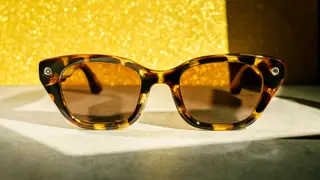
Meta has become the leader in AI-enabled smart glasses, with sales tripling last year and 7 million pairs sold by partner EssilorLuxottica in 2025. The company offers a range of glasses, including camera-enabled Ray-Bans, display models, and audio-only versions. Despite privacy concerns, Meta's strategy has outpaced rivals like Apple and OpenAI.
Meta’s product lineup spans multiple price points and use cases, from camera-equipped Ray-Ban Wayfarers with a nine-hour battery to audio-only models without cameras, plus display versions paired with a neural wristband. The company’s fashion-first strategy is deliberate: customers engage with smart features only about 10% of the time, so EssilorLuxottica enforced a 50-gram weight limit to ensure the glasses feel like ordinary eyewear. Sales tripled last year, with 7 million pairs sold in 2025.
New capabilities include agentic AI powered by the Muse Spark model, which handles multistep tasks like email scanning and schedule management, and a hologram feature that creates a 3D avatar of the wearer for WhatsApp calls. Meta also announced lightweight VR glasses weighing 100 grams, shipping in spring. While Meta’s core AI models trail OpenAI and Anthropic, its hardware lead is substantial, with rivals like Apple and OpenAI still developing competing devices.
Meta’s success could normalize always-on, camera-equipped eyewear, potentially shifting social norms around privacy and surveillance. As these glasses become more common, users may find AI assistance seamlessly integrated into daily routines, but non-users could face increased scrutiny or exclusion from certain interactions. The hologram feature may alter remote communication, making it more immersive yet raising concerns about identity authenticity. Society may need to recalibrate expectations of personal space and consent as wearable tech becomes more fashionable and pervasive.