Arctic melt season length plateaus after decades of expansion
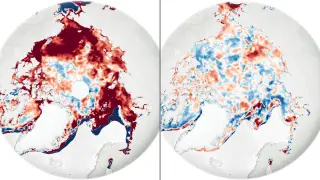
Since 1979, the Arctic melt season lengthened by about 40 days, but the trend flattened around 2010. Thinner ice and changing clouds may explain the pause. Continued warming could still trigger further changes.
The study's analysis of satellite data from 1979 through 2023 shows that the melt season's extension was driven primarily by delayed autumn freeze-up rather than earlier spring melting. Some Arctic regions experienced melt season growth of up to five days per year during the 2000s, when rapid ice loss was most pronounced.
The current stabilization relates to the Arctic's changing ice character. Today's thinner, younger ice responds more dramatically to short-term weather events like storms and wind shifts. Additionally, altered cloud patterns since 2010 have reduced solar energy reaching the ocean surface, helping offset the warming effects that previously extended the melt season.
The plateau in Arctic melt season length could affect coastal communities, shipping routes, and wildlife patterns that depend on predictable ice cycles. If the pause continues, industries planning around seasonal ice may gain temporary stability. However, scientists note continued warming could trigger renewed rapid change, meaning infrastructure and ecosystems remain vulnerable. The year-to-year variability may complicate long-term planning for Arctic operations and resource management.