Miami's Hurricane Risk Soars: A 1926 Repeat Would Exceed Katrina's Costs
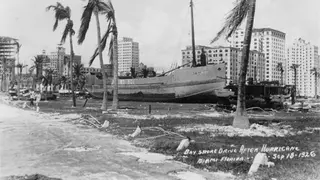
A repeat of the 1926 Great Miami Hurricane could cause over $280 billion in damage, exceeding the costs of Hurricane Katrina. Since 1926, Miami-Dade County's population has grown 23-fold and housing units 41-fold, while rising seas and more intense hurricanes amplify risk. Such a storm could trigger insurance premium spikes, a real estate downturn, and population decline.
The 1926 storm was a Category 4 hurricane that crossed directly over downtown Miami and Miami Beach, killing 220 people and leaving tens of thousands homeless. It abruptly ended the Florida land boom, triggering a local depression years before the national one. Since then, Miami-Dade's population has multiplied 23-fold, and housing units 41-fold.
Four modeling groups now estimate a repeat storm would cause hundreds of billions in damage. A 2026 study normalized the 1926 storm to 2023 conditions, finding $218 billion in South Florida plus $25 billion from a second landfall, exceeding Katrina and Harvey. Climate change adds risk through rising seas, stronger hurricanes, and wetter, slower storms. Such an event could trigger insurance spikes, real estate downturns, and population loss.
A repeat of the 1926 hurricane could reshape Miami's social and economic fabric. Residents and businesses may face unaffordable insurance, prompting a real estate downturn and population exodus. Municipal bond markets could be stressed, affecting public services. The financial shock might extend beyond Florida, as national insurers and investors absorb losses. This scenario underscores how climate-driven disasters could trigger cascading economic consequences, not just physical destruction.