Austrian river find yields Europe's largest cache of Iron Age iron bars
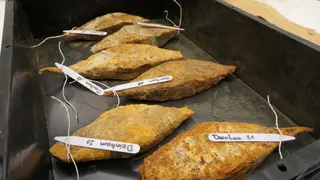
A massive deposit of rusted iron bars, weighing over one tonne, has been identified as the largest such assemblage in Europe. The bars were discovered in 2019 during gravel extraction at Deinham in Upper Austria, within a silted-up branch of the Danube River. Researchers have dated the bars to the Iron Age, indicating significant metalworking and trade activity in the region.
The discovery at Deinham, along a former Danube channel, represents a striking concentration of Iron Age metalwork. Weighing more than a tonne, the rusted bars were unearthed during gravel extraction in 2019, and subsequent analysis has confirmed their age and significance. This find stands as the largest known cache of its kind in Europe, pointing to a robust local industry in iron production and exchange. The sheer volume suggests organized smelting and distribution networks, likely serving regional elites or trade routes along the river. The silted branch may have acted as a deliberate storage site or an accidental loss during transport, though the exact purpose remains unclear from the available details.
Such a large deposit could reshape understanding of prehistoric economies in central Europe, offering tangible evidence of surplus production and long-distance trade. Archaeologists and historians may use these bars to refine models of Iron Age wealth, craft specialization, and riverine logistics. Local heritage bodies and museums might see increased interest, potentially boosting tourism and funding for further excavation. However, the find’s impact depends on ongoing research—if the bars are linked to a specific workshop or settlement, they could illuminate social hierarchies, while a more isolated cache would still underscore the scale of metalworking in the region.