China's Record 40% Share of Global Container Exports Undermines Tariff Strategy
China's share of global container exports hit a record 40% on a rolling three-month basis, up 2.5% from nine months earlier. Experts argue that U.S. tariffs have failed to reduce China's export dominance and may have exacerbated trade imbalances. The trend echoes the 'China Shock' and raises concerns about global dependence on Chinese goods.
The record share stems partly from tariff-induced trade rerouting. Chinese exporters, blocked from US markets, have pivoted to other regions, while transshipment—shipping components to third countries for final assembly—has eroded US tax collection, with the White House estimating $19-26 billion in lost revenue. This diversification has accelerated China's export growth.
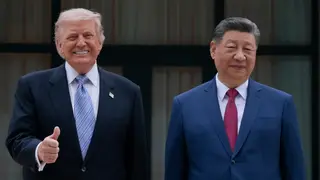
The trend mirrors the post-WTO "China Shock," but now extends into advanced sectors like AI infrastructure and electric vehicles. With an undervalued currency enabling price advantages of up to 30%, China's dominance appears structural. The upcoming Trump-Xi summit may address these frictions, though experts suggest US credibility as a trade partner has already been damaged.
The rising dependence on Chinese exports could reshape global labor markets, particularly in manufacturing-heavy regions of Europe and the US, potentially accelerating job losses and wage stagnation. Consumers may benefit from cheaper goods, but supply-chain concentration raises vulnerability to geopolitical disruptions. The summit could signal a policy shift, yet if tariffs persist, the trend may deepen, leaving smaller economies caught between US pressure and Chinese market access. This dynamic may also affect investment decisions in technology sectors.