Dependency sprawl worsens as AI coding accelerates package adoption
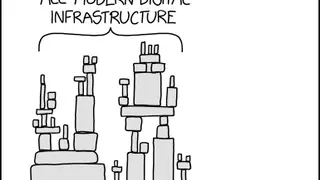
Developers often lack full visibility into transitive dependencies, and AI-assisted coding can introduce new packages faster than they can be vetted. Outdated dependencies may carry unpatched security vulnerabilities, but upgrading can break applications. The article suggests using vulnerability scanning tools to manage the risk.
The article highlights that package manifests like package.json only reveal direct dependencies, leaving the full transitive dependency tree largely invisible to developers. As AI coding tools generate code that pulls in new libraries automatically, the rate of package introduction can outpace manual security review, compounding the risk of unpatched vulnerabilities.
The piece also profiles commercial mitigations: Checkmarx and Snyk offer repository scanning to identify supply-chain weaknesses, HeroDevs maintains secure forks of abandoned packages, and Chainguard provides hardened, minimal container images rebuilt nightly. These services aim to reduce the burden of manual dependency auditing while preserving application stability.
This story could affect any organization relying on software supply chains, from small startups to large enterprises, as well as the developers and security teams within them. If dependency sprawl goes unmanaged, applications may become increasingly exposed to exploits, potentially leading to data breaches that harm end users and erode public trust in digital services. However, the availability of scanning and remediation tools may help mitigate these risks, though adoption costs and integration challenges could limit their reach.