Funding shortfall worsens conditions for refugees in Cox's Bazar
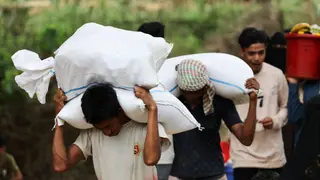
Refugees in Bangladesh's Cox's Bazar settlement are experiencing severe hardship due to significant reductions in UN funding. The cuts are compounding already difficult living conditions for the displaced population. The situation underscores the growing strain on humanitarian operations in the region.
The reduction in UN funding has intensified the already severe conditions faced by refugees in Cox's Bazar, one of the world's largest displaced-person settlements. With fewer resources available, daily survival becomes more precarious for a population that depends heavily on international aid for essentials. The funding gap directly undermines the limited stability that humanitarian programs had previously provided.
This financial strain arrives at a time when the settlement's infrastructure and services are already stretched thin. The compounding effect of reduced support means that basic needs become harder to meet, and the overall quality of life deteriorates further. The situation highlights the fragility of relying on external funding for long-term displacement crises, where sustained commitment is essential but increasingly difficult to maintain.
This funding shortfall could deepen vulnerabilities among refugees who have few alternative support systems, potentially affecting health, nutrition, and overall well-being. Host communities in Bangladesh may also feel increased pressure as resources become scarcer. The situation may strain regional stability and test the capacity of humanitarian networks to respond effectively, with long-term consequences for displaced populations who see no immediate path to resolution.